Chords for Mason Williams
Tempo:
123.35 bpm
Chords used:
Am
G
Em
A
E
Tuning:Standard Tuning (EADGBE)Capo:+0fret

Jam Along & Learn...
[G] [Em]
[Am]
[G] [Em]
[A] [Am]
[C] [A] [Em] [E]
[Am] [G]
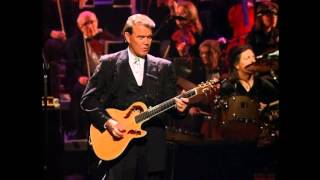
This is the [F#] classical guitar that I used on my hit recording of a classical cast that was released
Brothers in 1968 and eventually became a hit in August of 1968.
[Am]
[G] [Em]
[A] [Am]
[C] [A] [Em] [E]
[Am] [G]
This is the [F#] classical guitar that I used on my hit recording of a classical cast that was released
Brothers in 1968 and eventually became a hit in August of 1968.
100% ➙ 123BPM
Am
G
Em
A
E
Am
G
Em
_ _ _ [G] _ _ _ [Em] _ _
_ _ [Am] _ _ _ _ _ _
_ [G] _ _ _ [Em] _ _ _ _
_ [A] _ _ _ _ [Am] _ _ _
[C] _ _ _ [A] _ [Em] _ _ [E] _ _
_ _ _ _ [Am] _ _ _ [G] _
_ This is the [F#] classical guitar that I used on my hit recording of a classical cast that was released
on Warner Brothers in _ 1968 and eventually became a hit in August of 1968.
_ Tommy Smothers gave me
this guitar in 1965 and he had got it from _ Cordova, the maker of the guitar, _ and Cordova was
a Spanish name but the guy that made the guitar, the maker, was Oscar Teller who was really a
German guitar maker _ but they seemed to think that it would sell better if it had a Spanish name and
so that's why it's called a Cordova.
_ _ I wrote Classical Gas in the summer of 1967 [F] and I'd
been playing Las Vegas with the Smothers brothers and we'd been there for weeks at a time.
I came
back from Las Vegas and sat down in front of my fireplace and started to noodle around on the
guitar and decided [E] that I would write a _ piece for guitar to play at parties.
I was writing television
for Roger Miller at one point and they used to go to parties that there'd be all these famous guitar
players there, Dwayne Eddy and Sonny Curtis and Thomas Carlyle and Roger himself and they would
get in a circle and pass the guitar around and people would play something on the guitar and I
didn't really have anything except a company of folk songs I sang so I decided okay I'm
gonna write a flashy piece to play at parties.
_ _ So I've been told Classical Gas is the most recorded
guitar piece of all time and it's the only time that [D#] a finger style classical guitar piece has
become a hit.
A lot of great artists have recorded it.
I still get recordings all the time from people
that send me versions of it so I'd like to thank all of the artists who have covered their own
version of Classical Gas and _ thank you the fans who supported not only my version of it but all
of those wonderful versions that those artists have created and played on their recordings and
on videos and in concert.
So thanks to all of you. _ _
Now there's a few little dings on here so all
those scratches right there are probably from my little fingernail digging into it and these up
here I guess are from my thumbnail and this little thing right here I was sitting in front of my
fireplace once and a _ coal popped out and landed right on the face of the guitar and I had to
slick it off but _ _ every guitar has all these little battle scars I guess from various things.
I didn't scratch up the back very much because I learned early not to wear weird buttons that
would scratch up the finish. _
It does have the thin neck.
It's not the standard sort of thickness on
the neck but it's a thin neck and I sure like that because it was a lot easier to reach around and
play chords that were you know that took more of a stretch.
_ _ _ I should tell you about this strap that
I'm using.
My folks singing buddy Baxter Taylor and I came up with this.
We had a folk trio called
the Wearer's Trio and liked to play standing up but there was no way to support the classical
guitar because you usually had to put your you know sit down like this like I'm sitting.
We thought about putting hooks in the hole and this and that and we were fooling around one day
with a ribbon and the guitar was just sitting in the ribbon.
We realized the ribbon was holding
the guitar up so _ later on I developed it and had a this leather strap made.
One side is smooth [F#] and
the other side is rough because that sticks to the guitar better.
It doesn't slide around.
The first
one I made was made out of latigo which is a bridal _ leather and I went to a bridal shop to have it made
and I used a Conway buckle.
That was a fascinating buckle.
You might look that one up.
Depending on
how big you are you can adjust the size of it to fit you so that's why all these extra holes are
in there.
If you want it looser or closer to you you can do that _ and one of the things I really
liked about it was when I was writing music _ I could hang on to it and write without having to
set the guitar down every time I wanted to write something.
You have to learn to use it.
You have to
make sure this stays right there and that this doesn't get up get up here too far so you have to
learn how to keep it in place and generally if you keep this arm on it right here it stays in pretty
good [Bm] shape _ _ _ and [A] you can even stand up if you want to which _ _ and play.
[Am] That's what I liked about it
so you could play in a restaurant if you wanted to as a strumming musician.
[E] _ _ All right _ _ _ _ when I recorded
Classical Gas _ the classical guitar it was hard to hear it above the 37 piece orchestra that was
playing bass and drums and all the strings and horns and so Mike Post and I who produced
_ the record and also the arrangement for the [F#] orchestra decided that it would be better to
add another guitar to it and I borrowed a 12 string from Jim Yester who was a member of the
association and he had a really great 12 string and so I double tracked it so it's Classical Gas
and 12 string.
You featured the classical guitar but in a couple of places when it kind of got lost
in the big sound the orchestra was making we would bring up the 12 string to give it some body.
I should say that the brass _ interlude sort of in the middle of the tune was written by Mike Post
and I said you know you should put a little signature something of your own in here and
he came up with that great brass interlude in D flat.
It was a big part of the hit.
_ _ _ Classical Gas
as a composition had elements that I had learned as a student at Oklahoma City University.
I was a
music major.
Oh you studied counterpoint and harmony and structures of classical pieces and
whatnot and so I sort of poured a lot of those things I had learned from studying music at OCU
and there's a lot of elements that I learned in the composition.
_ There's an intro that's very
classical music oriented and then it goes through different compositional techniques and different
time signatures a lot of those and one of the most interesting things was at the very end
I used a thing called tierce duplicity.
What that was was that a lot of classical composers
when they would write something in a minor key they would end it on a major triad.
I thought
it was interesting that they thought it was better if
_ _ [Am] _ _ _ _ _ _
_ [G] _ _ _ [Em] _ _ _ _
_ [A] _ _ _ _ [Am] _ _ _
[C] _ _ _ [A] _ [Em] _ _ [E] _ _
_ _ _ _ [Am] _ _ _ [G] _
_ This is the [F#] classical guitar that I used on my hit recording of a classical cast that was released
on Warner Brothers in _ 1968 and eventually became a hit in August of 1968.
_ Tommy Smothers gave me
this guitar in 1965 and he had got it from _ Cordova, the maker of the guitar, _ and Cordova was
a Spanish name but the guy that made the guitar, the maker, was Oscar Teller who was really a
German guitar maker _ but they seemed to think that it would sell better if it had a Spanish name and
so that's why it's called a Cordova.
_ _ I wrote Classical Gas in the summer of 1967 [F] and I'd
been playing Las Vegas with the Smothers brothers and we'd been there for weeks at a time.
I came
back from Las Vegas and sat down in front of my fireplace and started to noodle around on the
guitar and decided [E] that I would write a _ piece for guitar to play at parties.
I was writing television
for Roger Miller at one point and they used to go to parties that there'd be all these famous guitar
players there, Dwayne Eddy and Sonny Curtis and Thomas Carlyle and Roger himself and they would
get in a circle and pass the guitar around and people would play something on the guitar and I
didn't really have anything except a company of folk songs I sang so I decided okay I'm
gonna write a flashy piece to play at parties.
_ _ So I've been told Classical Gas is the most recorded
guitar piece of all time and it's the only time that [D#] a finger style classical guitar piece has
become a hit.
A lot of great artists have recorded it.
I still get recordings all the time from people
that send me versions of it so I'd like to thank all of the artists who have covered their own
version of Classical Gas and _ thank you the fans who supported not only my version of it but all
of those wonderful versions that those artists have created and played on their recordings and
on videos and in concert.
So thanks to all of you. _ _
Now there's a few little dings on here so all
those scratches right there are probably from my little fingernail digging into it and these up
here I guess are from my thumbnail and this little thing right here I was sitting in front of my
fireplace once and a _ coal popped out and landed right on the face of the guitar and I had to
slick it off but _ _ every guitar has all these little battle scars I guess from various things.
I didn't scratch up the back very much because I learned early not to wear weird buttons that
would scratch up the finish. _
It does have the thin neck.
It's not the standard sort of thickness on
the neck but it's a thin neck and I sure like that because it was a lot easier to reach around and
play chords that were you know that took more of a stretch.
_ _ _ I should tell you about this strap that
I'm using.
My folks singing buddy Baxter Taylor and I came up with this.
We had a folk trio called
the Wearer's Trio and liked to play standing up but there was no way to support the classical
guitar because you usually had to put your you know sit down like this like I'm sitting.
We thought about putting hooks in the hole and this and that and we were fooling around one day
with a ribbon and the guitar was just sitting in the ribbon.
We realized the ribbon was holding
the guitar up so _ later on I developed it and had a this leather strap made.
One side is smooth [F#] and
the other side is rough because that sticks to the guitar better.
It doesn't slide around.
The first
one I made was made out of latigo which is a bridal _ leather and I went to a bridal shop to have it made
and I used a Conway buckle.
That was a fascinating buckle.
You might look that one up.
Depending on
how big you are you can adjust the size of it to fit you so that's why all these extra holes are
in there.
If you want it looser or closer to you you can do that _ and one of the things I really
liked about it was when I was writing music _ I could hang on to it and write without having to
set the guitar down every time I wanted to write something.
You have to learn to use it.
You have to
make sure this stays right there and that this doesn't get up get up here too far so you have to
learn how to keep it in place and generally if you keep this arm on it right here it stays in pretty
good [Bm] shape _ _ _ and [A] you can even stand up if you want to which _ _ and play.
[Am] That's what I liked about it
so you could play in a restaurant if you wanted to as a strumming musician.
[E] _ _ All right _ _ _ _ when I recorded
Classical Gas _ the classical guitar it was hard to hear it above the 37 piece orchestra that was
playing bass and drums and all the strings and horns and so Mike Post and I who produced
_ the record and also the arrangement for the [F#] orchestra decided that it would be better to
add another guitar to it and I borrowed a 12 string from Jim Yester who was a member of the
association and he had a really great 12 string and so I double tracked it so it's Classical Gas
and 12 string.
You featured the classical guitar but in a couple of places when it kind of got lost
in the big sound the orchestra was making we would bring up the 12 string to give it some body.
I should say that the brass _ interlude sort of in the middle of the tune was written by Mike Post
and I said you know you should put a little signature something of your own in here and
he came up with that great brass interlude in D flat.
It was a big part of the hit.
_ _ _ Classical Gas
as a composition had elements that I had learned as a student at Oklahoma City University.
I was a
music major.
Oh you studied counterpoint and harmony and structures of classical pieces and
whatnot and so I sort of poured a lot of those things I had learned from studying music at OCU
and there's a lot of elements that I learned in the composition.
_ There's an intro that's very
classical music oriented and then it goes through different compositional techniques and different
time signatures a lot of those and one of the most interesting things was at the very end
I used a thing called tierce duplicity.
What that was was that a lot of classical composers
when they would write something in a minor key they would end it on a major triad.
I thought
it was interesting that they thought it was better if